10 Ways AI is Revolutionizing E-commerce Photography
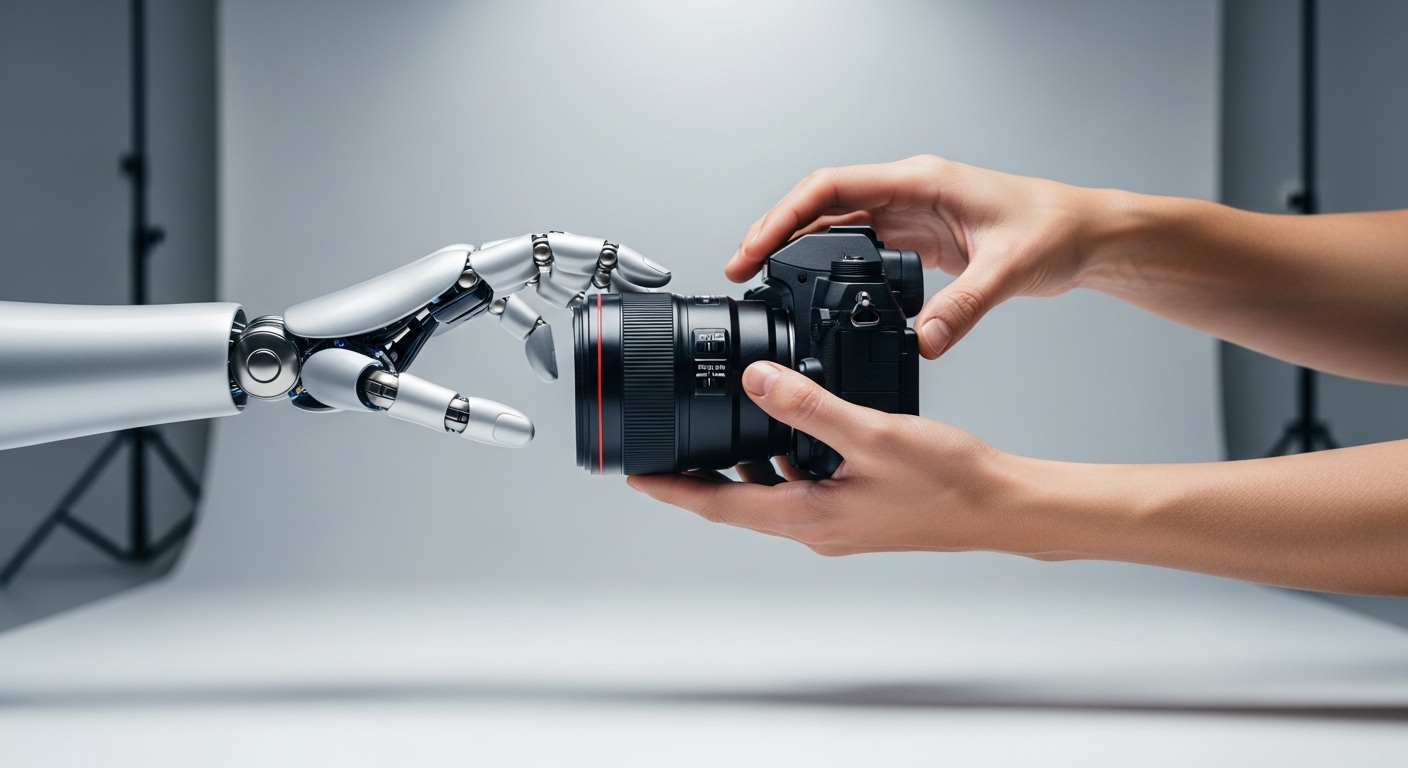
In the hyper-competitive world of e-commerce, the product image is king. It’s the digital handshake, the virtual storefront window, and often, the final nudge that turns a browser into a buyer. For years, creating a library of perfect, conversion-driving images was a costly, time-consuming bottleneck involving expensive shoots, tedious editing, and a lot of creative guesswork. That entire paradigm is now being dismantled and rebuilt by Artificial Intelligence.
AI is no longer a futuristic buzzword; it's a practical, powerful tool integrated directly into the visual commerce workflow. Machine learning algorithms are not just enhancing pixels—they are revolutionizing the entire lifecycle of a product image, from creation to optimization. For brands that embrace this shift, the rewards are immense: reduced costs, accelerated time-to-market, and a more dynamic, personalized customer experience. Here are 10 ways AI is fundamentally changing the game for e-commerce photography.
1.Flawless Background Removal at Scale
The clean, white background is an e-commerce staple. Traditionally, this meant hours of meticulous manual pathing in Photoshop. Today, AI algorithms can identify and isolate the subject of a photo from its background with surgical precision in seconds. This allows brands to process thousands of images overnight, ensuring a crisp, uniform look across their entire product catalog at a fraction of the cost and effort.
2.Intelligent Image Upscaling & Enhancement
Have a low-resolution supplier photo or a user-generated image that’s almost perfect? AI-powered upscaling tools use machine learning to intelligently add pixels, sharpen details, and reduce noise without creating the typical blocky artifacts. This "super-resolution" allows businesses to rescue previously unusable assets and ensure every image is crystal-clear on any device.
3.AI-Powered Color Correction & Consistency
Maintaining consistent color accuracy across different products, shoots, and lighting conditions is a major challenge. AI can analyze an image, identify the product, and automatically correct colors to match true brand shades or a standardized color profile. This ensures that the sweater a customer sees online is the exact same color as the one that arrives at their door, significantly reducing returns due to color discrepancies.
4.Generative AI for Lifestyle & Scene Creation
This is where AI transitions from editor to creator. Instead of booking expensive lifestyle shoots, brands can now place a standard product photo into an entirely new, AI-generated scene. Want to see your couch in a minimalist Scandinavian loft, a cozy rustic cabin, and a modern industrial apartment? Generative AI can create these photorealistic backdrops on-demand, tailored to specific marketing campaigns or customer demographics.
5.Smart Retouching & Defect Removal
Dust specks, minor scratches, or unwanted reflections on a product can detract from its appeal. AI models trained on millions of images can automatically identify and remove these imperfections seamlessly. It’s like having a professional retoucher on call 24/7, ensuring every single product shot is flawless before it goes live.
6.Virtual "Photoshoots" with AI Models
The cost and logistics of hiring models, stylists, and photographers can be prohibitive. AI is changing this with realistic, AI-generated models. Brands can now showcase apparel on a diverse range of virtual models with different body types, ethnicities, and ages, improving inclusivity and representation without the overhead of a physical photoshoot.
7.Automated 3D Model Generation
The future of product visualization is 3D and AR. AI is accelerating this transition by enabling the creation of 3D models from a series of 2D images. A customer can upload a few photos of a sneaker, and an AI algorithm can stitch them together into an interactive 3D object they can spin, zoom in on, and even virtually place in their room using their phone camera.
8.Predictive Performance Analysis
Which image will drive more sales? In the past, this was answered with costly and slow A/B testing. Now, AI can analyze an image and predict its conversion potential. By training on vast datasets of e-commerce visuals and their performance metrics, these tools can score images on factors like clarity, composition, and emotional appeal, helping brands select the most effective visuals before they even launch a campaign.
9.Automated Product Tagging for Visual Search
AI’s ability to "see" and understand images is a superpower for site navigation and SEO. AI-driven tools can automatically scan a product image and generate relevant tags (e.g., "red v-neck t-shirt," "long-sleeve," "cotton"). This not only streamlines backend data entry but also powers highly accurate visual search tools, allowing customers to find what they’re looking for faster.
10.Hyper-Personalized Product Visuals
This is the pinnacle of AI's potential. Imagine a customer browsing for a car. Based on their data, the e-commerce site uses AI to instantly render the car in their favorite color, parked in a driveway that looks like their own, under lighting that matches their local weather. This level of dynamic, one-to-one personalization creates an incredibly immersive and compelling shopping experience that was once science fiction.
The Inevitable Shift
The revolution in e-commerce photography isn't about replacing human creativity; it's about augmenting it. By automating the tedious and technical, AI frees up marketing and creative teams to focus on strategy, storytelling, and brand building. The businesses that thrive in the coming years will be those that view AI not as a threat, but as an indispensable strategic partner in creating more efficient, intelligent, and engaging visual commerce. The future of the product image isn't just seen; it's generated, optimized, and personalized by intelligent systems.